People often assume that branding lives inside a logo file or a color palette deck.
In reality, branding for startups begins long before a designer touches a screen.
After working for years with founders, small teams, and ambitious early stage businesses, we have seen one thing play out again and again. Branding is not art. Branding is perception. It is how a business is understood, remembered, and talked about. And in the early years, perception matters even more than product.
Great branding for startups is about shaping how people feel.
Good design can help, but it is not the starting point. Meaning is.
At STB, we have spent years guiding new ventures from nameless ideas to bold market voices. And what we have learned is simple. Strong branding is built on clarity, not decoration.
Branding Is Perception, Not Just A Visual Identity

When we look at the brands that shape markets, very few of them became successful because of a clever font or a beautifully rendered symbol alone. They succeeded because customers could understand them in seconds and describe them without thinking.
That is the real heart of branding for startups.
1. How do people feel when they first see your name?
2. How do they describe you after the second interaction?
3. What do they expect from you when they return?
Design is a tool. Perception is the outcome.
Many early stage companies obsess over how they look before understanding how they want to be remembered.
Branding lives in:
- The story customers tell others
- The tone a founder uses online
- The first impression a landing page creates
- The consistency across every experience
And when that aligns, design becomes the supporting act rather than the whole show.
This is also why a specialised branding agency for startups can make a material difference. It keeps attention focused on the right priorities before the budget gets eaten up on visuals that do not yet have meaning.
Trust, Tone, Consistency And Experience Matter More Than Logos
The early stage is not about perfection. It is about coherence.
A startup can have the most expensive logo in the world and still fail to make customers care. At STB, we have watched small teams outperform large competitors not because they had better branding kits, but because they had a clear voice and lived it consistently.
What separates strong branding for startups from weak branding is not visual polish. It is:
- Clarity of promise
- Tone of communication
- Frequency of showing up
- Experience that delivers what was promised
The brands that win are the ones that feel reliable.
And reliability is an emotional signal, not an aesthetic one.
We have built identities for ventures where the first six months included nothing more than a consistent tone of voice, a clear landing page, and storytelling driven by founders who spoke from experience. Customers trusted them because everything felt aligned and honest.
Only after that foundation lived in the world did visuals scale.
Branding Is The Filter That Supports Business Decisions
A lot of founders imagine branding as something outward facing. But the strongest branding for startups works inward first. When a brand knows what it stands for, decision making becomes faster and cleaner.

A brand with a clear identity does not:
- Chase every trend
- Copy competitors blindly
- Dilute messaging to please everyone
- Say yes to every opportunity
Instead, the brand becomes a north star.
It answers questions like:
- Should we launch this feature
- Should we partner with this company
- Should we expand into a new audience
At STB, we have seen branding cut through confusion in boardrooms.
Once the story, tone and promise are set, the entire business aligns. Hiring becomes intentional. Product roadmaps sharpen. Communication becomes disciplined.
In the early stage, noise is high and time is short.
Good branding for startups is both a shield and a compass.
It keeps focus where growth truly lives.
Branding Evolves And Strengthens With Every Interaction
Founders sometimes freeze because they fear making branding decisions too early. But the truth is, branding grows only when it enters the real world. It gets refined through exposure, feedback and repetition.
Strong branding for startups accepts evolution.
1. The first website may not be perfect.
2. The first product pack may need iteration.
3. The first tagline may be replaced after a year.
What matters is consistency of intent.
Every customer interaction becomes an input that makes branding sharper.
Every review, testimonial or question reveals what people remember and what they ignore.
And with every cycle, the brand becomes more distinct.
This is why a long view matters. Brands that think of identity as a living system adapt without losing themselves. At STB, we often maintain relationships for years, during which identity, visual language and communication sophistication grow naturally.
Startups do not need to get everything right on day one.
They need to stay aligned through the journey.
When executed correctly, branding for a startup matures into a durable competitive advantage that compounds over time.
Real Examples Of Branding That Works Without Flashy Design
Not every brand needs to shout. Some win because they speak clearly.
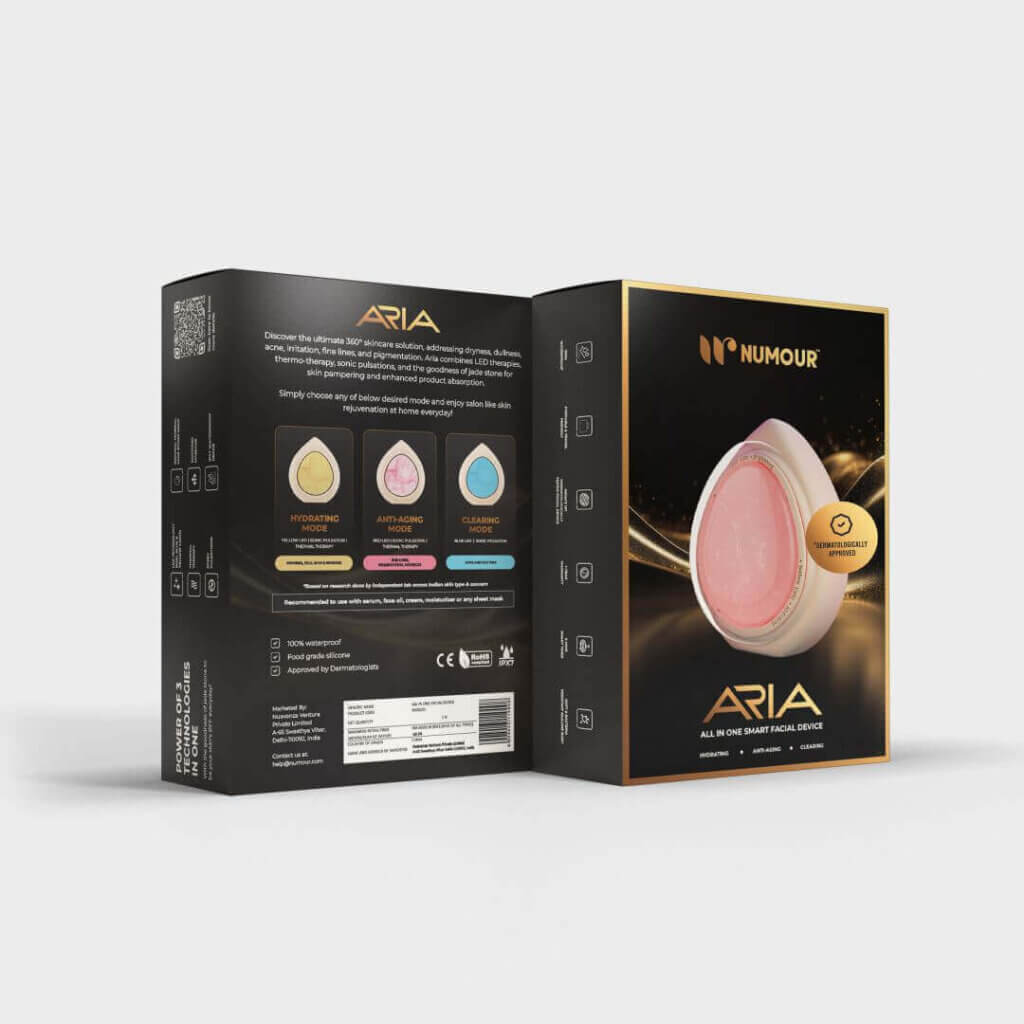
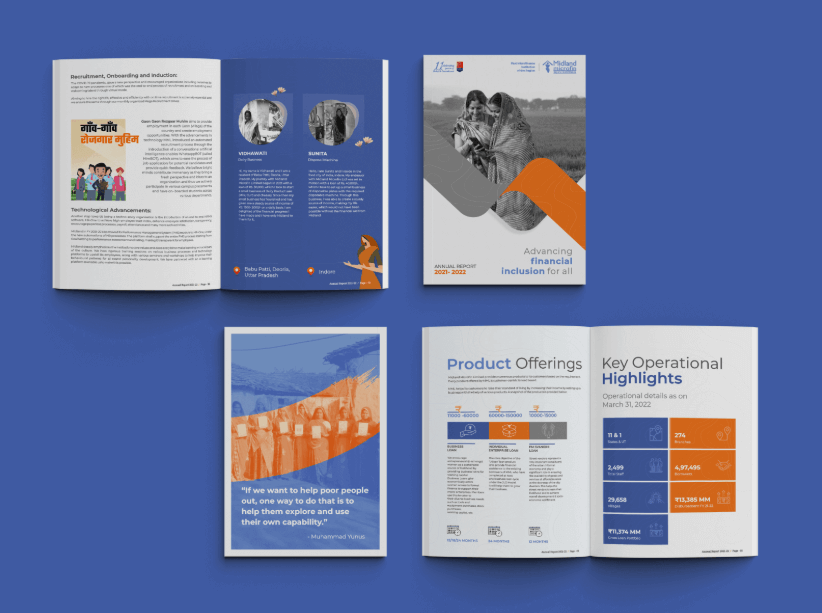
Look at the portfolio of STB and you will see examples across categories where branding sits beneath the surface, powering credibility.
- Healthcare and wellness projects where communication clarity mattered more than color
- Social impact clients where trust and empathy defined the brand experience
- Tech ventures where user education became the brand differentiator
- Consumer products that built identity through benefits, tone, and message discipline
These brands succeeded not because they hired artists. They succeeded because they understood what their audience needed to believe.
Early branding for a startup must find the narrative thread.
- What do people need to know first?
- Why should they care?
- How do we sound like someone worth choosing again?
When that work is done well, the design team can elevate it.
When it is skipped, design becomes decoration.
How Branding Influences Marketing ROI, Conversions And Loyalty
A lot of founders assume marketing will fix branding gaps.
The problem is that digital campaigns expose brand weaknesses instead of solving them.
A strong branding for startups approach influences everything that marketing touches.
Better conversion rates begin with brand clarity.
A paid ad performs well when the message lands instantly.
Organic content resonates when voice and promise feel consistent.
Landing pages convert when expectations are met.
Branding also reduces acquisition costs.
When audiences recognise the brand narrative, the gap between seeing and buying closes faster.
And perhaps most importantly, branding drives retention and advocacy.
In a crowded market, the businesses that stay in memory are the ones that feel familiar. Familiarity breeds comfort. Comfort leads to loyalty.
This is why a strategic branding agency for startups looks beyond aesthetics. It studies:
- Audience triggers
- Category language
- Differentiation angles
- Repeat behaviour drivers
When branding and marketing operate as one, every rupee spent travels further.
What Growing Businesses Should Prioritise First
There is a predictable path that every successful early brand follows.
Before color palettes and icon grids, a startup must define:
- Who it wants to serve
- What problem it solves clearly
- Why it matters more than alternatives
- How it sounds when communicating with customers
Once these pillars are set, branding for startups begins to solidify naturally.
Only after that should teams consider:

- Visual identity
- Brand assets
- Packaging
- Collateral systems
- Campaign templates
At STB, when we work with young companies, we spend as much time listening as designing. We ask founders:
- What do you want customers to remember you for
- If you disappeared tomorrow, what would be missed
- What is the emotional outcome of choosing your product
These answers shape the brand long before a designer opens a software tool.
In essence, early branding for startups prioritises meaning ahead of appearance.
Founders who internalise this save time, money, and confusion.
Where STB Fits In The Journey
Every founder has a vision. The hardest part is translating it into something customers feel instantly.
Over the years, STB has built:
- Foundational brand identities
- Complete brand voice frameworks
- Packaging that communicates promise, not just aesthetics
- Publication systems that tell stories beyond data
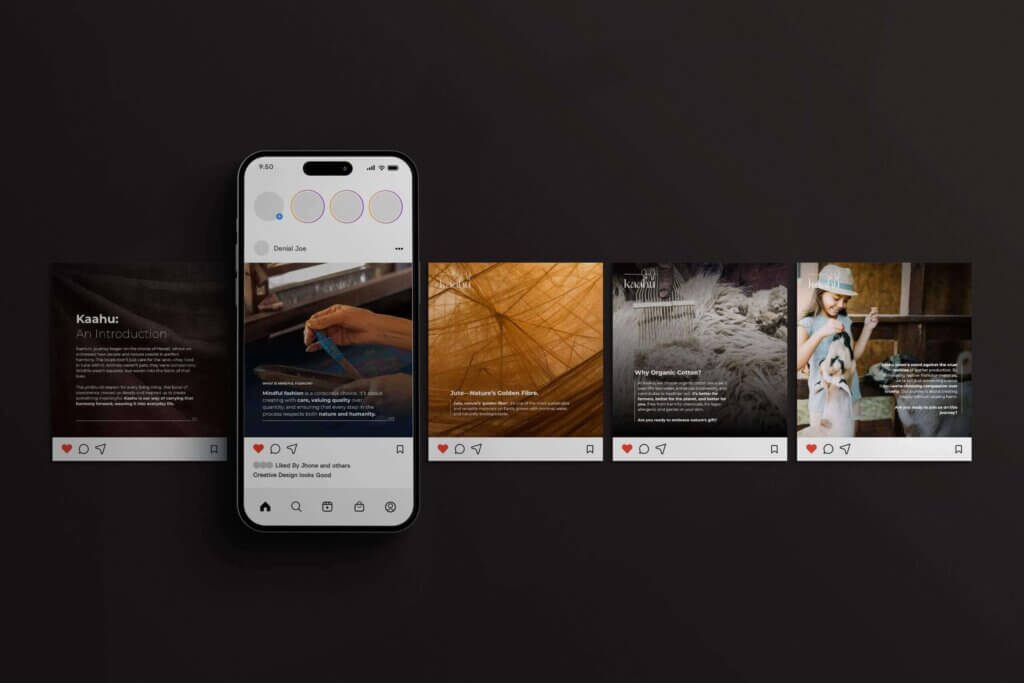
- Narrative driven layouts for social, web and print
- Brand builds that scaled gradually without losing authenticity
Our experience shows that branding for startups succeeds when brands start early, stay consistent, and make decisions based on what customers feel rather than what competitors display.
Brand identity is not a one time project. It grows with the business. A branding partner becomes an interpreter, a guide and sometimes a filter, helping founders stay true to who they are while evolving with the market.
Final Word: Branding First, Design Second, Growth Forever
The startup landscape is not kind to businesses that blur into the background.
Branding is no longer optional. It is the cost of relevance.
Great branding for startups is not loud or complicated.
It is confident, consistent, and true.
It tells customers:
This is who we are.
This is what we believe.
This is what you can expect every time you meet us.
When that message is clear, every marketing effort compounds.
When it is confused, no campaign can rescue it.
Branding shapes memory.
Memory shapes preference.
Preference shapes growth.
And that is why the smartest founders treat branding as a strategic foundation, not a finishing touch.