
In today’s competitive digital landscape, businesses are constantly seeking ways to maximize their return on investment (ROI). One effective strategy is through performance marketing, a data-driven approach that focuses on achieving measurable results.

By partnering with a performance marketing agency, companies can leverage expert knowledge and cutting-edge technology to optimize their campaigns and drive conversions. This targeted approach ensures that marketing efforts are aligned with business objectives, resulting in improved ROI.
Key Takeaways
- Performance marketing is a data-driven approach to achieving measurable results.
- Partnering with a performance marketing agency can optimize campaigns and drive conversions.
- Targeted marketing efforts can improve ROI and align with business objectives.
- A performance marketing strategy can help businesses maximize their return on investment.
- Expert knowledge and technology are crucial in performance marketing.
What Is Performance Marketing?
As businesses continue to navigate the complexities of digital advertising, performance marketing offers a data-driven solution to maximize ROI. This approach has revolutionized the way companies allocate their marketing budgets, prioritizing campaigns that deliver tangible results.
Definition and Core Principles
Performance marketing is a form of digital marketing where advertisers pay for specific actions, such as clicks, conversions, or sales. The core principle revolves around the idea that advertisers only pay when a desired action is achieved, making it a cost-effective strategy.

How It Differs from Traditional Marketing
Unlike traditional marketing, which often relies on impressions or broad audience reach, performance marketing is centered on measurable outcomes. This fundamental difference allows businesses to track the effectiveness of their campaigns with precision.
The ROI-Driven Approach
The ROI-driven approach is at the heart of performance marketing. By focusing on specific, measurable actions, businesses can directly attribute their marketing spend to revenue generated, thereby optimizing their campaigns for maximum return on investment.
In summary, performance marketing represents a strategic shift towards data-driven decision-making, enabling businesses to achieve a higher ROI through targeted and measurable marketing efforts.
The Evolution of Performance Marketing in the Digital Age
Performance marketing has come a long way since its inception, with the digital age bringing about unprecedented growth and innovation. The industry has witnessed a significant shift from traditional advertising methods to performance-based models, where the focus is on measurable results rather than mere impressions.
From Traditional Advertising to Performance-Based Models
The traditional advertising model, which relied heavily on broad reach and frequency, has given way to a more targeted approach. Performance marketing allows advertisers to pay only for the results they achieve, such as clicks, conversions, or sales. This shift has been driven by the need for greater accountability and ROI measurement.

Current Trends in the UK Market
In the UK, performance marketing continues to grow, with a focus on data-driven decision making and personalization. The use of advanced analytics and AI technologies is becoming increasingly prevalent, enabling marketers to optimize their campaigns in real-time.
| Trend | Description | Impact |
| Data-Driven Decision Making | Using data analytics to inform marketing decisions | Increased campaign effectiveness |
| Personalization | Tailoring marketing messages to individual consumers | Improved customer engagement |
| AI and Automation | Leveraging AI for campaign optimization and automation | Enhanced efficiency and ROI |
Impact of Technology on Performance Marketing
Technology has been a key driver of performance marketing’s evolution, enabling more precise targeting, better measurement, and improved campaign optimization. As technology continues to advance, we can expect to see even more sophisticated performance marketing strategies emerge.
Key Performance Marketing Channels
To achieve optimal results in performance marketing, it’s essential to leverage the right channels. Performance marketing companies in the UK have seen significant success by utilizing a mix of digital marketing strategies.
Search Engine Marketing (SEM)
SEM is a crucial channel, enabling businesses to reach potential customers actively searching for their products or services.
Paid Search Strategies
Paid search involves creating targeted ads that appear on search engine results pages, driving traffic to specific landing pages.
SEO for Performance
Optimizing website content for search engines improves organic visibility, complementing paid search efforts.
Social Media Advertising
Social media platforms offer robust advertising options, allowing for precise audience targeting based on demographics, interests, and behaviors.

Affiliate Marketing
Affiliate marketing involves partnering with influencers or other businesses to promote products, with affiliates earning commissions for each sale generated.
| Channel | Primary Benefit | Target Audience |
| SEM | High Intent Traffic | Users searching for specific products/services |
| Social Media Advertising | Precise Audience Targeting | Users based on demographics, interests, behaviors |
| Affiliate Marketing | Extended Reach through Partners | Followers of affiliates/influencers |
Email Marketing Campaigns
Email marketing remains a powerful tool, allowing businesses to nurture leads and drive conversions through personalized messaging.
Display and Programmatic Advertising
Display advertising, often executed through programmatic means, enables brands to reach wide audiences across various websites and apps.
By understanding and effectively utilizing these key performance marketing channels, businesses can significantly enhance their ROI.
Data-Driven Decision Making for Maximum ROI
Data-driven decision making is the backbone of successful performance marketing strategies. By leveraging data effectively, businesses can optimize their campaigns, improve conversion rates, and ultimately maximize their return on investment (ROI).
Essential Metrics to Track
To make informed decisions, marketers need to track key performance indicators (KPIs) that directly impact their ROI. Some of the most critical metrics include:
- Conversion Rates: The percentage of users who complete a desired action.
- Cost Per Acquisition (CPA): The cost of acquiring one customer or conversion.
- Return on Ad Spend (ROAS): The revenue generated by ad campaigns compared to their cost.
Conversion Rates
Conversion rates are a crucial metric as they indicate the effectiveness of marketing campaigns in driving desired actions. Optimizing landing pages and ad creatives can significantly improve conversion rates.
Cost Per Acquisition
CPA is vital for understanding the cost-effectiveness of marketing efforts. By minimizing CPA, businesses can improve their ROI.
Return on Ad Spend
ROAS helps marketers evaluate the revenue generated by their ad spend, enabling them to allocate budgets more efficiently.
Analytics Tools and Platforms
To track these metrics effectively, businesses rely on various analytics tools and platforms. Popular options include Google Analytics, Adobe Analytics, and social media insights tools.
Turning Data into Actionable Insights
The true power of data lies in its ability to inform strategic decisions. By analyzing performance data, marketers can identify trends, optimize campaigns, and allocate resources more effectively.
By embracing a data-driven approach, businesses can significantly enhance their performance marketing ROI.
Creating High-Converting Performance Marketing Campaigns
In the realm of digital marketing, creating campaigns that drive conversions is paramount. To achieve this, marketers must focus on several key strategies that enhance campaign performance.
Audience Segmentation Strategies
Audience segmentation is crucial for tailoring marketing efforts to specific groups, thereby increasing the likelihood of conversion. By dividing the audience based on demographics, behavior, or preferences, marketers can create targeted campaigns that resonate with each segment.
Effective segmentation strategies include:
- Demographic segmentation: Age, gender, income level
- Behavioral segmentation: Purchase history, browsing behavior
- Psychographic segmentation: Interests, lifestyle
Crafting Compelling Ad Creative
Crafting ad creative that captures attention and drives engagement is vital. This involves creating compelling visuals, headlines, and copy that resonate with the target audience.
Optimizing Landing Pages for Conversion
Landing page optimization is critical for converting visitors into customers. This involves ensuring that the landing page is relevant to the ad, has a clear call-to-action (CTA), and provides a seamless user experience.
A/B Testing Methodologies
A/B testing is a powerful tool for optimizing campaign performance. By testing different elements of a campaign, marketers can identify what works best and make data-driven decisions.
What to Test
Marketers should test various elements such as ad copy, visuals, CTAs, and landing page layouts to determine which versions perform better.
How to Interpret Results
Interpreting A/B test results involves analyzing the data to identify statistically significant differences in performance between the tested variations. This helps in making informed decisions to optimize campaign elements.
| Element | Variation A | Variation B | Conversion Rate Improvement |
| Ad Copy | Version 1 | Version 2 | 15% |
| CTA Button | Red | Green | 8% |
| Landing Page Layout | Layout 1 | Layout 2 | 12% |
By implementing these strategies, marketers can significantly enhance the performance of their performance marketing campaigns, driving higher conversions and improving ROI.
Performance Marketing Budget Allocation
Effective performance marketing budget allocation is crucial for maximizing ROI. Allocating your budget effectively across different channels and campaigns can significantly impact your overall performance marketing success.
Determining Optimal Budget Distribution
To determine the optimal budget distribution, you need to analyze your historical data and identify top-performing channels. This involves assessing the ROI of each channel and allocating more budget to the ones that deliver the best results.
| Channel | Budget Allocation | ROI |
| Search Engine Marketing | 30% | 300% |
| Social Media Advertising | 25% | 250% |
| Affiliate Marketing | 20% | 200% |
Cost-Per-Acquisition Models
Cost-per-acquisition (CPA) models are essential in performance marketing. By understanding your CPA, you can optimize your budget allocation to achieve the best possible ROI. CPA models help you measure the effectiveness of your campaigns and make data-driven decisions.
“The key to successful performance marketing is not just about spending money, but about spending it wisely.” – Industry Expert
Scaling Successful Campaigns
Scaling successful campaigns is a critical aspect of performance marketing. It involves increasing the budget for campaigns that are performing well and optimizing them further for better results.
When to Increase Spend
Increase spend when your campaigns are delivering a positive ROI and have the potential for further scaling. Monitor your campaign metrics closely to identify opportunities for growth.
When to Cut Losses
Cut losses when your campaigns are not performing as expected and are draining your budget without delivering results. Analyze the reasons for underperformance and adjust your strategy accordingly.
Working with Performance Marketing Agencies and Companies
In the dynamic world of digital marketing, partnering with a performance marketing agency can be a game-changer for businesses looking to maximize their ROI.
When to Partner with Specialists
Businesses should consider partnering with performance marketing specialists when they lack in-house expertise or when their marketing efforts are not yielding desired results. Specialists can bring fresh perspectives and advanced skills to the table.
Selecting the Right Performance Marketing Agency
Choosing the right agency is crucial. Here are some evaluation criteria to consider:
- Experience in your industry
- Track record of successful campaigns
- Range of services offered
- Transparency in reporting and communication
Questions to Ask
When evaluating potential agencies, ask questions like: “What strategies have you used for similar clients?” or “How do you measure campaign success?”
Managing Agency Relationships for Maximum ROI
To get the most out of your partnership, establish clear goals, monitor performance closely, and maintain open lines of communication.
Advanced Performance Marketing Strategies
Advanced performance marketing strategies are crucial for maximizing ROI in today’s digital landscape. As the digital marketing ecosystem becomes increasingly complex, businesses must adopt sophisticated techniques to stay ahead of the competition.
Retargeting and Remarketing Techniques
Retargeting and remarketing are powerful strategies that allow businesses to re-engage potential customers who have previously interacted with their brand. By using cookies and other tracking technologies, marketers can serve targeted ads to users who have visited their website or engaged with their content.
Cross-Channel Attribution Models
Cross-channel attribution models help marketers understand the impact of each marketing channel on their overall campaign performance. By accurately attributing conversions to the right channels, businesses can optimize their marketing spend and improve ROI.
Personalization at Scale
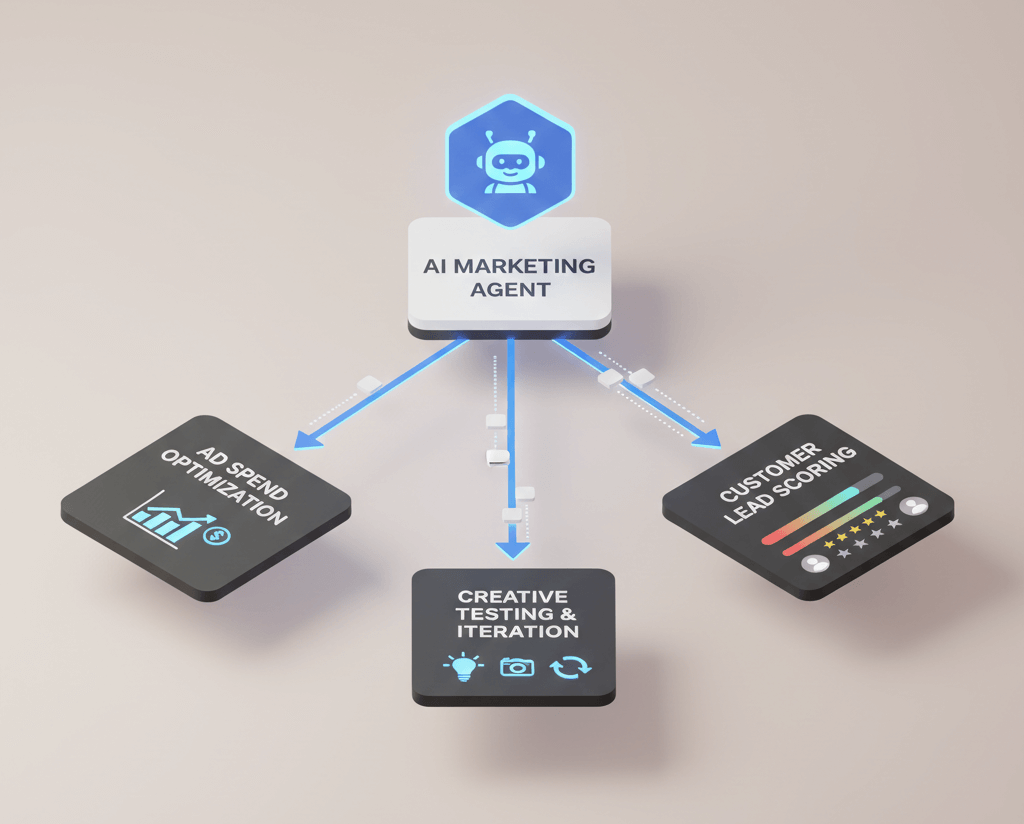
Personalization is no longer a nicety but a necessity in performance marketing. By leveraging data and AI, businesses can create highly personalized experiences for their customers at scale.
Leveraging Artificial Intelligence
Artificial intelligence (AI) is revolutionizing performance marketing by enabling businesses to analyze vast amounts of data, predict customer behavior, and automate complex tasks.
Predictive Analytics
Predictive analytics uses historical data and statistical algorithms to forecast future customer behavior. This allows marketers to anticipate customer needs and tailor their campaigns accordingly.
Automated Bidding
Automated bidding strategies use AI to optimize bid prices in real-time, ensuring that advertisers get the best possible ROI for their campaigns.
| Strategy | Description | Benefits |
| Retargeting | Serving ads to users who have previously interacted with your brand | Increased conversions, improved brand awareness |
| Cross-Channel Attribution | Accurately attributing conversions to the right marketing channels | Optimized marketing spend, improved ROI |
| Personalization at Scale | Creating highly personalized customer experiences using data and AI | Improved customer engagement, increased loyalty |
Overcoming Common Performance Marketing Challenges
As performance marketing continues to evolve, marketers face numerous challenges that can impact their return on investment (ROI). To stay ahead, it’s crucial to understand and address these common obstacles.
Ad Fatigue and Diminishing Returns
Ad fatigue occurs when audiences become desensitized to repeated advertisements, leading to decreased effectiveness. To combat this, marketers can rotate ad creatives, explore new channels, or implement retargeting strategies.
Privacy Regulations and Cookie Deprecation
With increasing privacy concerns and the deprecation of cookies, marketers must adapt by leveraging alternative data sources and focusing on first-party data collection.
Channel Saturation and Rising Costs
As more marketers shift to digital channels, competition intensifies, and costs rise. Diversifying marketing channels and optimizing campaign targeting can help mitigate these effects.
Maintaining Brand Integrity While Driving Performance
Balancing brand awareness with performance goals is crucial. Marketers can achieve this by integrating brand messaging into their performance campaigns and ensuring consistent branding across all touchpoints.
| Challenge | Impact | Potential Solution |
| Ad Fatigue | Diminishing Returns | Rotate Ad Creatives, Retargeting |
| Privacy Regulations | Data Collection Limitations | First-Party Data, Alternative Sources |
| Channel Saturation | Rising Costs | Diversify Channels, Optimize Targeting |
Successful Performance Marketing ROI
The effectiveness of performance marketing is best illustrated through real-world case studies. By examining successful campaigns, we can gain valuable insights into strategies that drive significant returns on investment.
E-commerce Success Story
A leading e-commerce brand partnered with a performance marketing company to optimize their digital advertising efforts. The campaign focused on precise audience targeting and data-driven decision making.
Strategy Implementation
The strategy involved leveraging search engine marketing (SEM) and social media advertising to reach potential customers. The campaign was optimized using advanced analytics tools to track key performance indicators (KPIs).
Results and ROI
The results were impressive, with a 25% increase in conversions and a 30% improvement in ROI. The campaign’s success was attributed to the effective use of data analytics and continuous optimization.
B2B Lead Generation Campaign
A B2B company utilized performance marketing to enhance their lead generation efforts. By implementing a targeted affiliate marketing program, they were able to increase lead quality and drive business growth.
Service Industry Transformation
A service-based business transformed their marketing approach by adopting performance marketing strategies. They achieved a significant increase in customer acquisition through targeted display advertising and retargeting campaigns.
Key Lessons from Top Performers
These case studies highlight the importance of data-driven strategies and continuous optimization in performance marketing. By learning from these successes, businesses can improve their own performance marketing efforts and achieve better ROI.
Conclusion: Future-Proofing Your Performance Marketing Strategy
As the digital landscape continues to evolve, future-proofing your performance marketing strategy is crucial for sustained success. By understanding the core principles of performance marketing and staying abreast of the latest trends, businesses can maximize their ROI and maintain a competitive edge.
To stay ahead, focus on leveraging data-driven insights, embracing emerging technologies, and adapting to changes in consumer behavior. Regularly reviewing and optimizing your performance marketing campaigns will help ensure that your strategy remains effective and aligned with your business objectives.
By integrating advanced strategies such as personalization at scale, cross-channel attribution models, and AI-driven optimizations, you can further enhance your performance marketing efforts. As the industry continues to evolve, staying informed and agile will be key to achieving long-term success in performance marketing.
FAQ
What is performance marketing, and how does it differ from traditional marketing?
Performance marketing is a type of digital marketing where advertisers pay only when a specific action is taken, such as a sale, lead, or click. It differs from traditional marketing in that it is measurable, trackable, and ROI-driven.
How do I measure the success of my performance marketing campaigns?
To measure the success of your performance marketing campaigns, track key metrics such as conversion rates, cost per acquisition, return on ad spend, and click-through rates. Use analytics tools and platforms to gain insights into your campaign’s performance.
What are the most effective performance marketing channels?
The most effective performance marketing channels include search engine marketing, social media advertising, affiliate marketing, email marketing campaigns, and display and programmatic advertising. The best channel for your business will depend on your target audience, goals, and budget.
How do I optimize my landing pages for conversion?
To optimize your landing pages for conversion, ensure they are relevant to your ad creative, have a clear and concise message, and include a prominent call-to-action. Use A/B testing to refine your landing page elements and improve conversion rates.
What is the role of artificial intelligence in performance marketing?
Artificial intelligence plays a significant role in performance marketing, enabling predictive analytics, automated bidding, and personalization at scale. AI-powered tools can help optimize campaign performance, improve ROI, and reduce manual effort.
How do I choose the right performance marketing agency for my business?
When selecting a performance marketing agency, evaluate their experience, expertise, and track record. Ask questions about their strategies, reporting, and optimization techniques. Ensure they align with your business goals and have a deep understanding of your target audience.
What are the common challenges in performance marketing, and how can I overcome them?
Common challenges in performance marketing include ad fatigue, privacy regulations, channel saturation, and maintaining brand integrity. To overcome these challenges, stay up-to-date with industry trends, diversify your marketing mix, and continually optimize your campaigns.
How do I allocate my performance marketing budget effectively?
To allocate your performance marketing budget effectively, determine your optimal budget distribution based on your business goals and ROI targets. Use cost-per-acquisition models to scale successful campaigns and cut losses on underperforming ones.








One Response
Everyone loves what you guys are usually up too. This sort of clever work and coverage! Keep up the very good works guys I’ve incorporated you guys to my blogroll.